


Get your hair back.
Powerful red light caps for fast and effective hair regrowth.

Regenr8 LED Red Light Therapy Cap w 176 lights and 3 wavelengths
- Love it Guarantee
- Free 30 day returns
- Free shipping
Real Hair Regrowth Reinvented.
Share




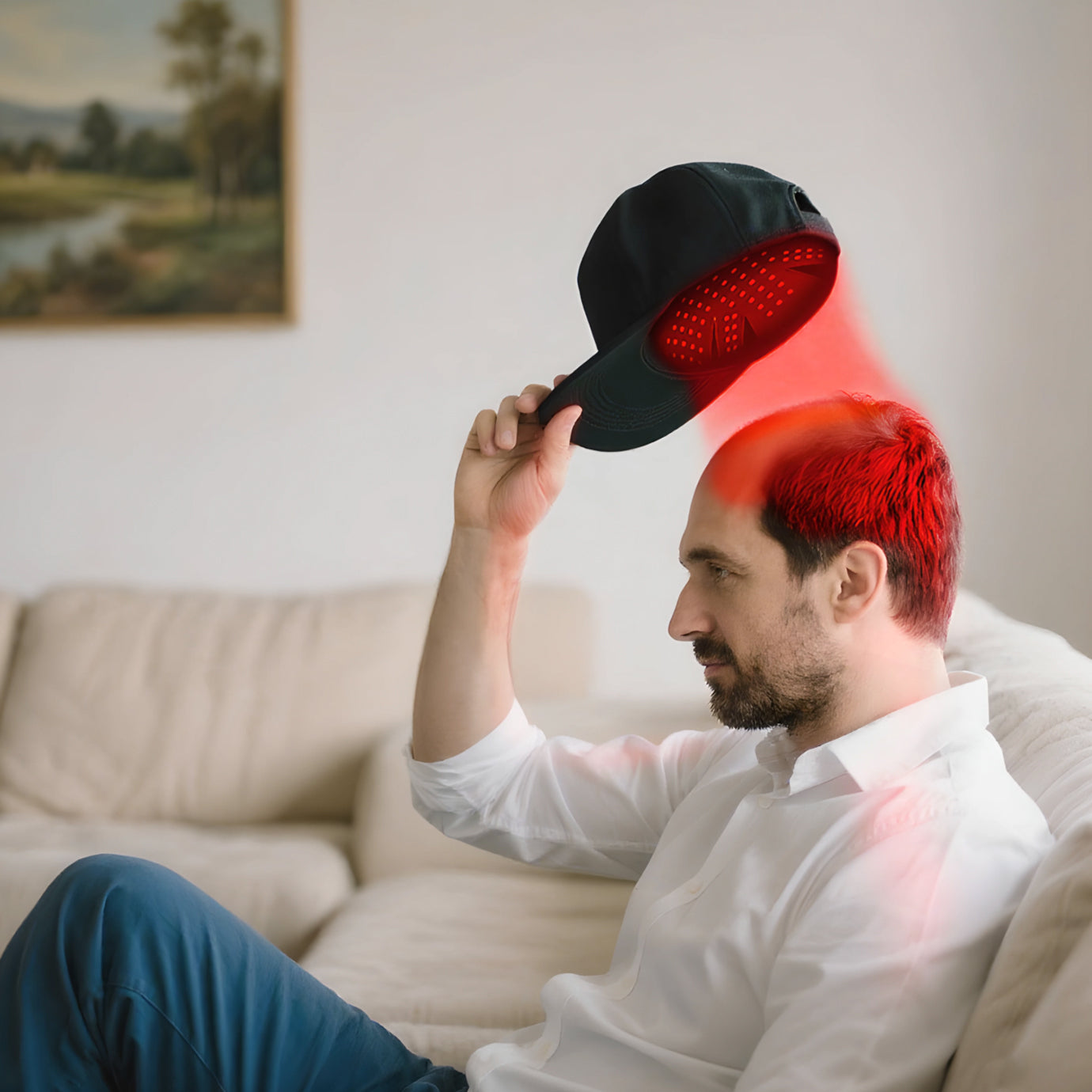

Regenr8 PRO LASER Red Light Therapy Cap w 208 diodes and 3 wavelengths
Real Hair Regrowth Reinvented.
Share


THE REVIEWS
Testimonials
-
⭐️⭐️⭐️⭐️⭐️ “Noticeable improvement in just a few weeks”
“I started using a red light therapy cap as part of my daily routine, and I’m honestly surprised at how much healthier my hair looks. My scalp feels better, my hair feels stronger, and I’m finally seeing areas that look fuller than before. Super easy to use—just put it on and relax.”
– John S. -
⭐️⭐️⭐️⭐️⭐️ “Convenient and actually enjoyable”
“I didn’t want anything complicated, so the hands-free design of the cap was perfect. I pop it on while watching TV, and that’s it. My hair looks thicker and more vibrant, and friends even started noticing. Definitely worth it.”
– Jane K. -
⭐️⭐️⭐️⭐️⭐️ “Confidence boost I really needed”
“I was nervous to try red light therapy, but the cap made it simple and comfortable. Over time, I saw healthier growth and less breakage, and now my hair just looks better overall. It’s been a huge confidence boost.”
– Anne L.
More information
What Is Red Light Therapy and How It Works for Hair Growth?
Red light therapy—often called low-level light therapy—uses gentle wavelengths of light to support healthier scalp conditions. Unlike UV
light or harsh chemical treatments, red light is non-invasive and designed to illuminate the scalp without causing damage. Many people use it as part of a routine to help their hair look fuller and healthier.
How red light supports healthier-looking hair
• Supports cellular energy
Red light can help energize the cells within your hair follicles, which may encourage stronger, more resilient strands.
• Encourages healthy circulation
Light exposure can promote a more balanced environment on the scalp, allowing oxygen and nutrients to reach the follicles more
effectively.
• Helps maintain the growth cycle
With consistent use, red light may help hair stay in its natural growth phase for longer, which can reduce shedding and support
fuller-looking hair over time.
• Awakens sluggish follicles
Follicles that have slowed down due to factors like stress, aging, or genetics may respond well to regular light exposure.
People often choose red light devices because they offer a non-drug, easy-to-use option for supporting scalp wellness and the appearance of thicker hair.
Using Red Light Therapy Consistently
A common question is how often to use red light tools. Most devices are designed for short sessions several times per week, and many users notice the best results when they stick to a steady routine.
Consistency matters more than intensity—similar to working out or caring for your skin. Results usually build slowly over time, so regular use is more effective than using it heavily for a short period.
Using a device too often isn’t necessarily better and can sometimes irritate the scalp, while using it too little may not provide enough stimulation for meaningful improvement. Finding a comfortable, sustainable routine is key.
How Long Does It Take to See Results?
Red light therapy isn’t something that works instantly. Hair goes through a natural cycle, and it takes time for follicles to respond and for any changes to become noticeable. Many people using red light tools say they first notice their hair looking steadier and less fragile after consistent use.
As the weeks and months go on, some people also observe small improvements—like the appearance of new short hairs or a fuller look in areas that once seemed thin. With regular sessions over a longer period, these changes can become more noticeable as follicles stay supported through multiple
growth cycles.
The biggest thing to remember is that red light therapy works gradually. Skipping sessions or stopping too early can interrupt
progress, while staying consistent helps create the best environment for healthier-looking hair. Just like eating well or exercising, the benefits tend to build over time.
Habits That Support Better Results
Using a red light device effectively isn’t only about turning it on—it’s also about building a balanced routine around it. Here are some general practices many people find helpful:
Stay Consistent With Your Routine
Most devices are designed to be used a few times per week for short sessions. Steady, repeated use usually leads to better outcomes than using it heavily for a short period and then stopping.
Support Your Body With Good Nutrition
Hair relies on nutrients like protein, iron, Vitamin D, and biotin to stay strong. Eating a balanced diet—or checking with a doctor about supplements if needed—can help support overall hair and scalp wellness.
Keep Your Scalp Healthy
A hydrated, calm scalp is ideal for growth. Using gentle hair products, avoiding harsh treatments, and doing occasional scalp massage can help create a healthier environment for your follicles.
Be Patient and Stay Committed
Visible changes can take time. Sticking to a steady routine for several months generally gives your hair the best chance to look fuller and stronger.
Maintain Healthy Everyday Habits
Managing stress, sleeping well, and being gentle with your hair (avoiding excessive heat or tight styles) all support better hair health overall.
Laser vs LED, What is the Difference?
Laser light is more concentrated and penetrates deeper into tissues, while LED light is less intense and diffuses over a larger, more superficial area. Both are used in photobiomodulation (PBM), a therapy that uses light energy to stimulate cellular function. The choice between laser and LED depends on the specific treatment area and desired depth of penetration.How lasers work in red light therapy
- Coherent and concentrated: Laser light is coherent, meaning the light waves are in sync, allowing them to focus into a powerful, narrow beam.
- Deeper penetration: This focused energy enables lasers to deliver photons to deeper tissues, including muscles, joints, and nerves.
- Best for targeted, deep issues: Laser therapy is often used in professional clinical settings for localized treatment of deeper conditions, such as chronic pain, nerve injuries, and severe inflammation.
How LEDs work in red light therapy
- Non-coherent and dispersed: LED light is incoherent, meaning the light waves are scattered and not in phase, resulting in a broader, less concentrated light source.
- Superficial penetration: With less intensity, LED light primarily affects the surface of the skin and tissues just below it.
- Best for broad, superficial issues: LED therapy is ideal for treating larger surface areas and is commonly used for cosmetic purposes like reducing wrinkles, improving skin texture, and healing superficial wounds. It is widely available for use in affordable at-home devices.
- For deep tissue and joint pain, professional-grade laser therapy can offer the necessary intensity and penetration to target the affected area.
- For cosmetic and superficial skin issues, at-home LED devices can provide a safer, more affordable, and convenient option for treating larger surface areas.